
If you’re serious about modeling, you already know this: a strong portfolio isn’t optional – it’s essential. Your modeling portfolio is your visual resume, your first impression, and often the deciding factor in whether agencies take you seriously.
But not all portfolios are created equal. So what makes one stand out and another get ignored?
Building a modeling portfolio that agencies actually notice isn’t about having the most photos. It’s about showcasing versatility, professionalism, personality, and potential.
In this article, we’ll walk through how to build a modeling portfolio that captures attention – from planning and posing to photographer selection and image delivery.
Whether you’re just starting or updating your existing portfolio, this guide will give you actionable steps to elevate your work and position you for real opportunities.

What Agencies Really Look For
Before we dive into the how, it’s crucial to understand the why behind agency expectations. Agencies aren’t just looking for pretty faces – they’re looking for talent they can sell. That means:
- Clean, clear images that show your features
- Versatility in expression, pose, and styling
- Range – the ability to fit different looks
- Professional presentation with strong technical quality
These expectations might sound simple, but executing them takes intentional planning and thoughtful production.
Step 1: Define Your Modeling Direction
Not every modeling path looks the same. Before your first shoot, ask yourself:
➡️ What kind of modeling do I want to pursue?
Here are some common directions:
- Fashion/Editorial – high-end, dramatic looks
- Commercial – approachable and relatable
- Fitness – athletic and dynamic
- Beauty/Face – close–up looks with strong features
- Lifestyle – everyday life moments with style
Defining your direction helps you choose the right wardrobe, makeup, locations, and poses – and ensures your portfolio tells a cohesive story.
Step 2: Work With a Photographer Who Understands You
The photographer you select plays a crucial role in shaping your portfolio. A professional experienced with modeling portfolios knows how to direct your poses, use lighting that enhances your features, and produce images that align with agency standards and expectations.
Working with a professional like Kelly ensures your session is structured, supportive, and industry-aware. Instead of guessing what works, you’re guided through the process so your images feel confident and intentional.
If you’re ready to invest in your portfolio, you can book your modeling session with Kelly.
Step 3: Plan Your Outfits With Purpose
One of the biggest mistakes models make is choosing outfits that don’t show range. Your wardrobe should help agencies see different sides of you.
Tips for outfit planning:
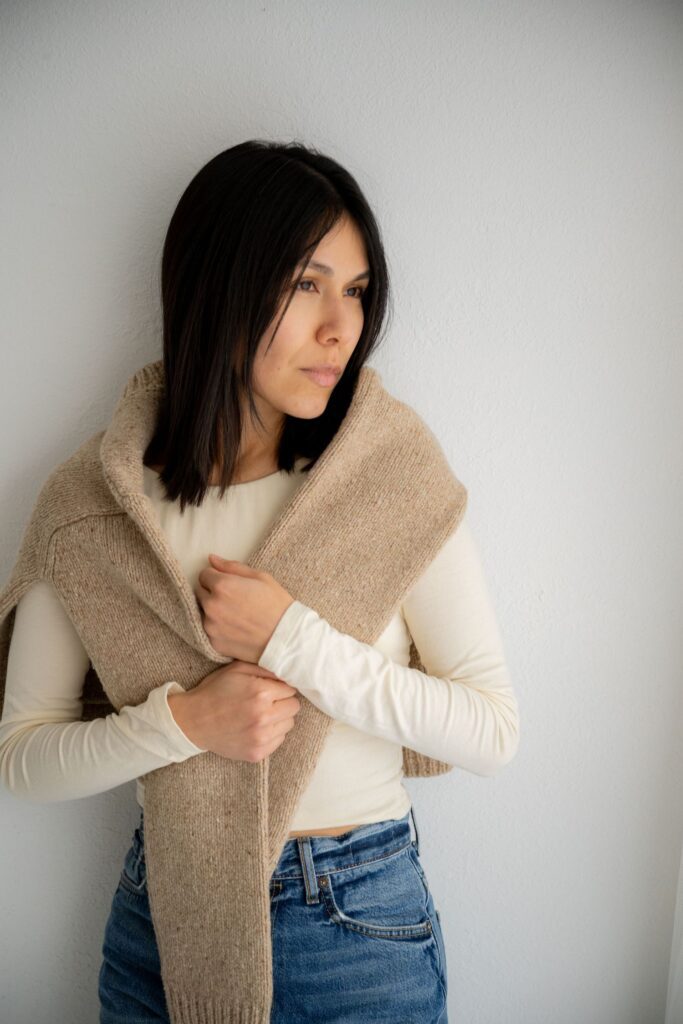
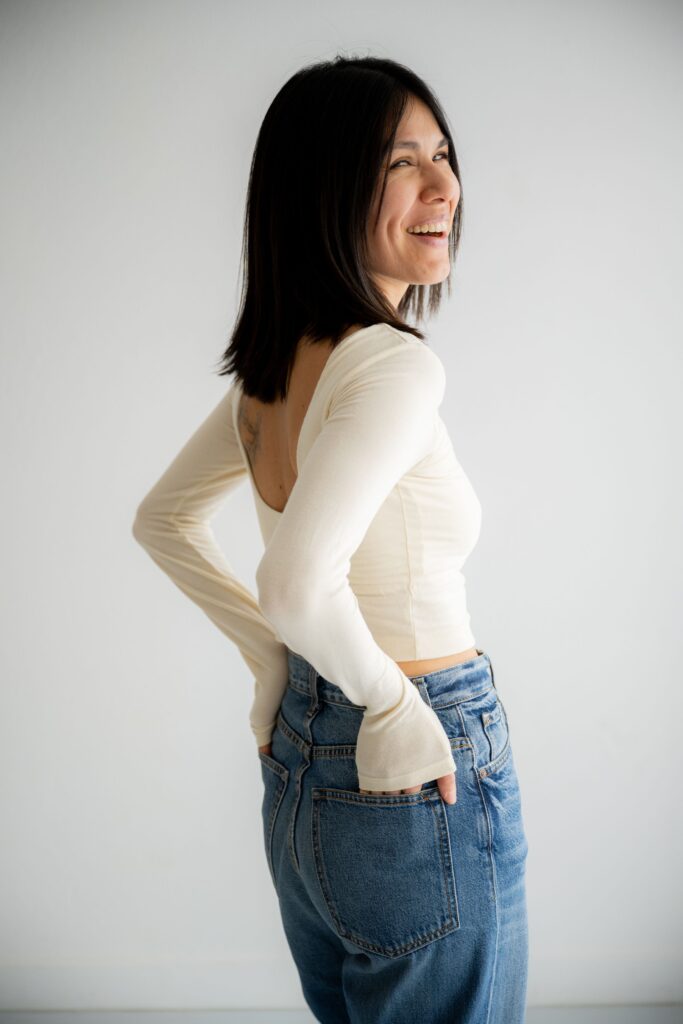
- Start with neutral basics – simple tees, plain jeans, fitted tops
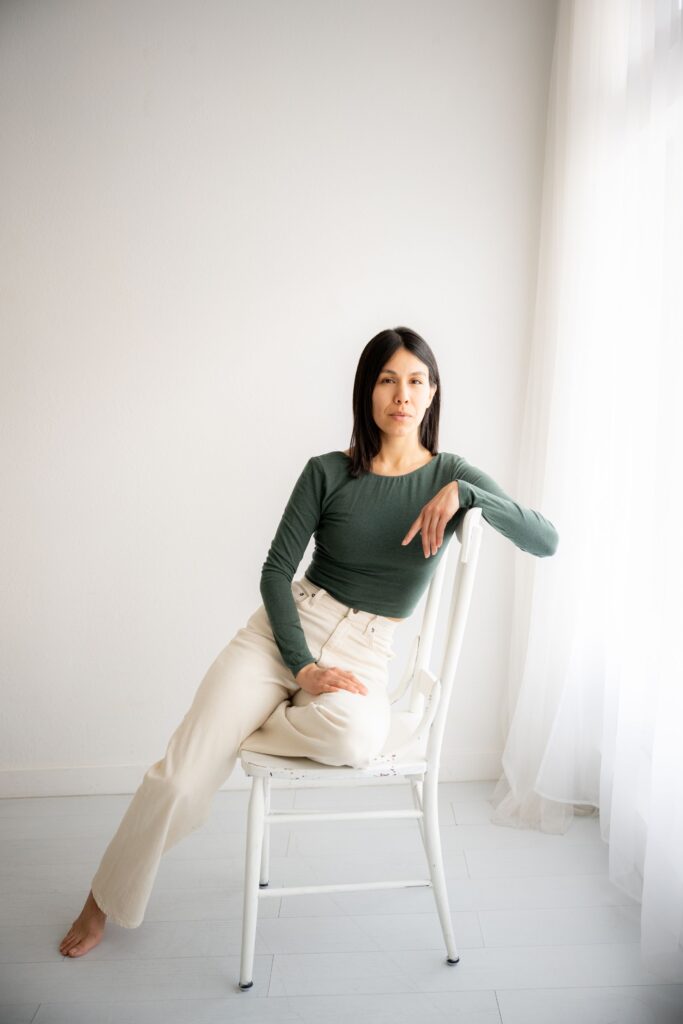
- Add one styled look that represents your modeling direction
- Include two to three varied outfits to show range
- Avoid loud patterns or logos – they distract from you
- Choose colors that complement your skin tone
Outfits don’t need to be extravagant. They just need to help you stand out for the right reasons.
Step 4: Master Posing and Expression
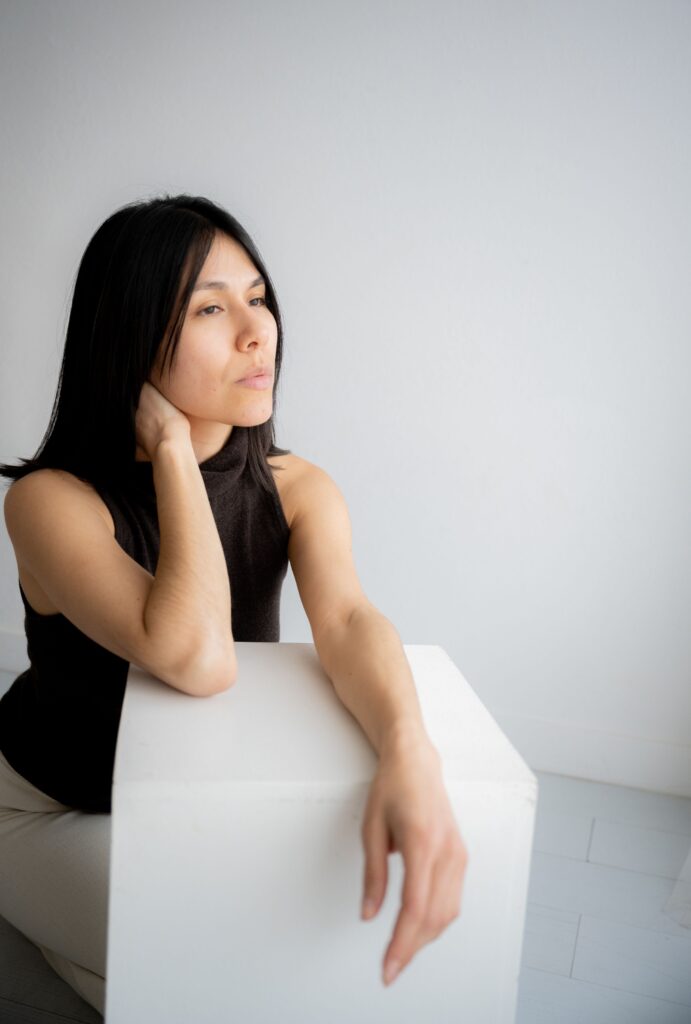
Posing doesn’t mean overthinking every movement. The strongest portfolio images often come from subtle shifts-changing the angle of your shoulders, softening your expression, or adjusting where your eyes fall.
A good photographer will guide you through poses, but confidence comes from staying relaxed and open to direction. The more comfortable you feel, the more natural your images will look, and that ease translates directly to how agencies perceive you.
👉 Capture your best self with personalized portrait photography in Colorado by Kelly – expert sessions for individual portraits, couples, families, and more.
Step 5: Cover All the Portfolio Essentials
Your portfolio should include a thoughtful mix of images that clearly show your range and potential. Clean, simple headshots are essential because they allow agencies to see your natural features without heavy styling or distractions.
Full-body shots are just as important, helping agencies understand your proportions, posture, and overall presence.
Including different looks, ideally three to four varied outfits or styles, such as commercial, editorial, and casual, shows versatility and adaptability. Strong expressions also matter; a balanced mix of warm smiles, intense gazes, and confident looks demonstrates emotional range.
By the end of your session, your portfolio should feel cohesive, with images that stand strong on their own while also working together as a complete collection.
👉 Learn how to enhance your brand photography with 5 standout poses that boost confidence, connection and authenticity – ideal for personal branding and professional imagery.
Step 6: Edit With Quality, Not Quantity
It’s tempting to include every good picture from a session. Resist that urge.
Less is more.
A clean portfolio with 10–15 exceptional images is far more effective than 40 average ones. Models often fall into the trap of overloading their portfolios, which dilutes impact.
Choose images that are:
- Technically strong (sharp focus, good lighting)
- True to your modeling direction
- Complementary (not repetitive)
Step 7: Present Your Portfolio Professionally
Even strong images can lose impact if they aren’t presented well. Your portfolio should be easy to view, cleanly organized, and updated to reflect your current look. Whether it’s a Pixieset gallery or a simple website, clarity and ease of navigation matter.
Agencies appreciate professionalism, and presentation is part of that impression.
Step 8: Keep Evolving
As you develop and evolve, your portfolio should reflect that progress and grow alongside you. Updating your images regularly shows that you’re active, invested, and evolving. This doesn’t mean constant shoots, but rather intentional updates when your look changes or your direction becomes more refined.
A current portfolio signals confidence and readiness.
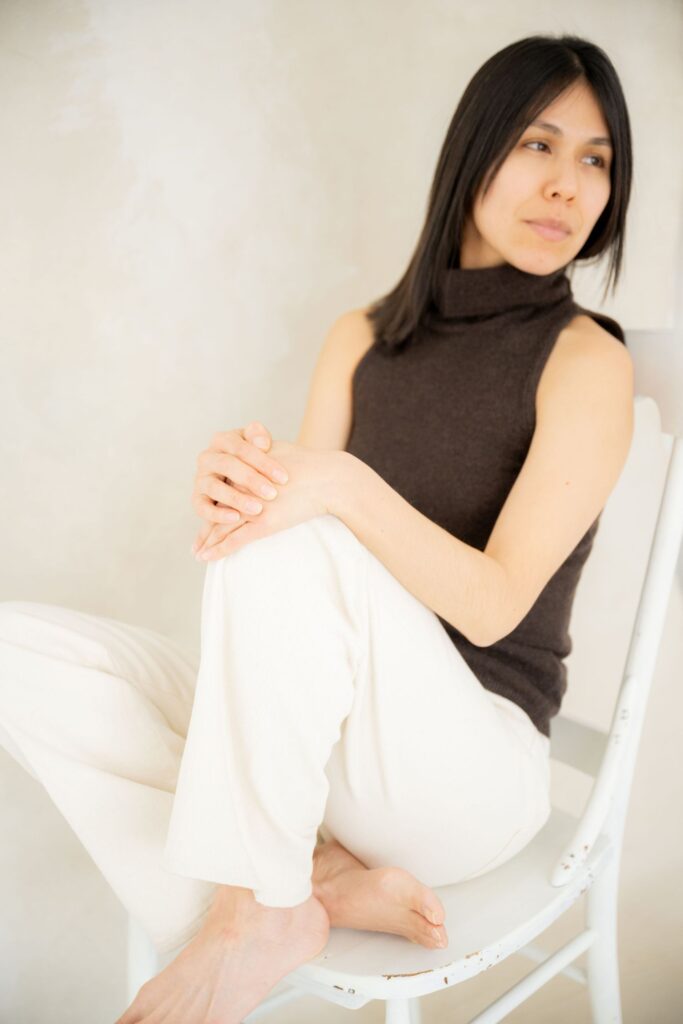
Common Portfolio Mistakes to Avoid
Even with good photos, small mistakes can cost opportunities. Avoid these:
- Using heavy filters or effects
- Including too many similar poses
- Ignoring basic lighting and composition
- Submitting unretouched images with major blemishes
- Uploading images with distracting backgrounds
A professional portfolio feels intentional – every image serves a purpose.
Final Thoughts
Building a modeling portfolio that agencies actually notice takes more than good photos – it takes strategy, clarity, and professional execution. From defining your modeling direction to working with the right photographer, every step matters.
Your portfolio is not just a collection of images. It’s your chance to tell a story about who you are as a model – your look, your range, and your potential. When done thoughtfully, your portfolio becomes your strongest advocate in a competitive industry.
If you’re ready to level up your modeling portfolio with professional guidance and standout images, working with the right photographer makes all the difference.
👉 Book now your modeling portfolio shoot with Kelly.


